Lemon Balm: Melissa Officinalis
A Nurturing Herb for Calm, Digestion & Nervous System Support
Lemon balm (Melissa officinalis) is a gentle yet powerful herb traditionally used in naturopathic and herbal medicine to support the nervous system, digestion, and overall wellbeing. With its uplifting citrus aroma and calming properties, it has long been valued as a restorative herb for both mind and body.
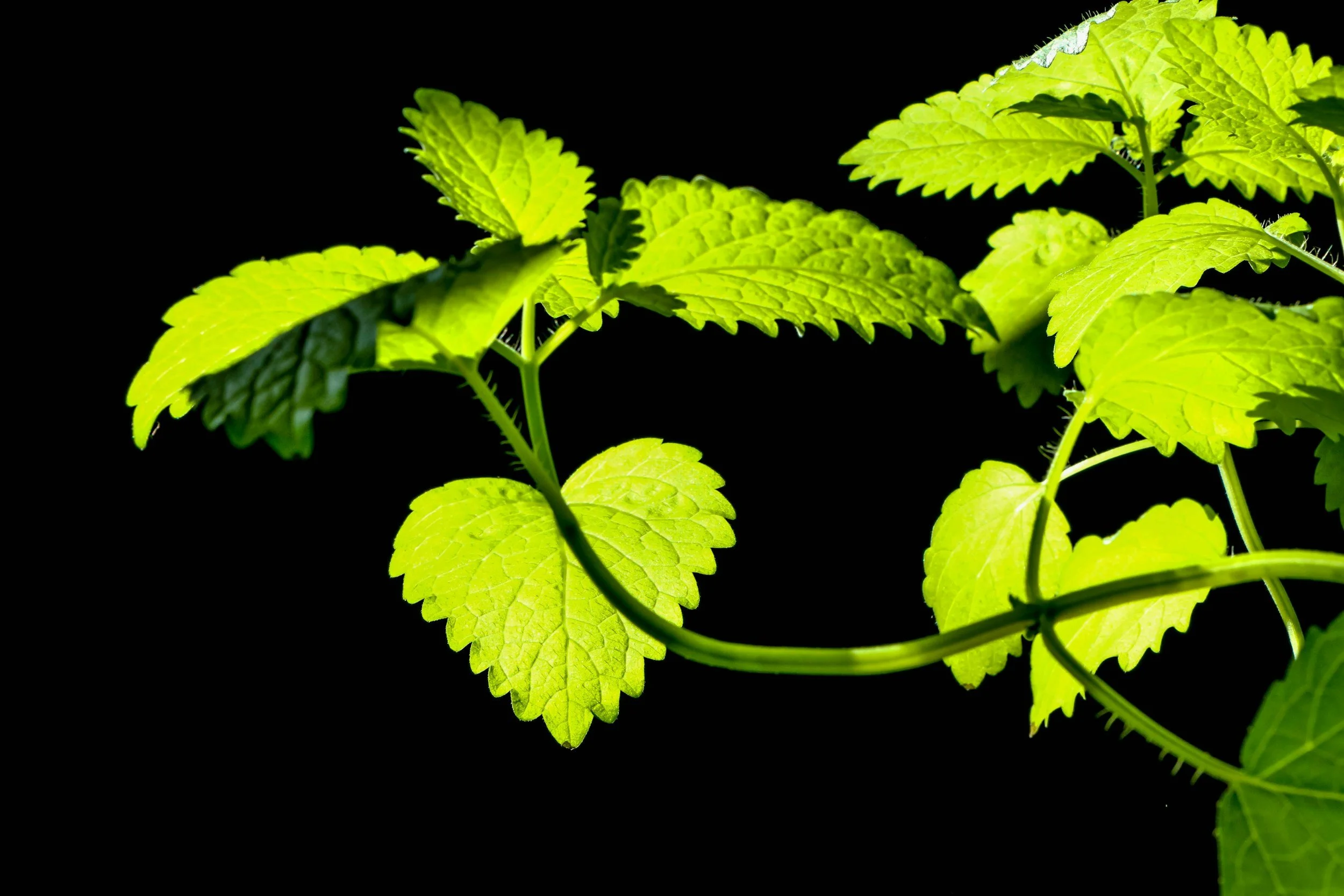
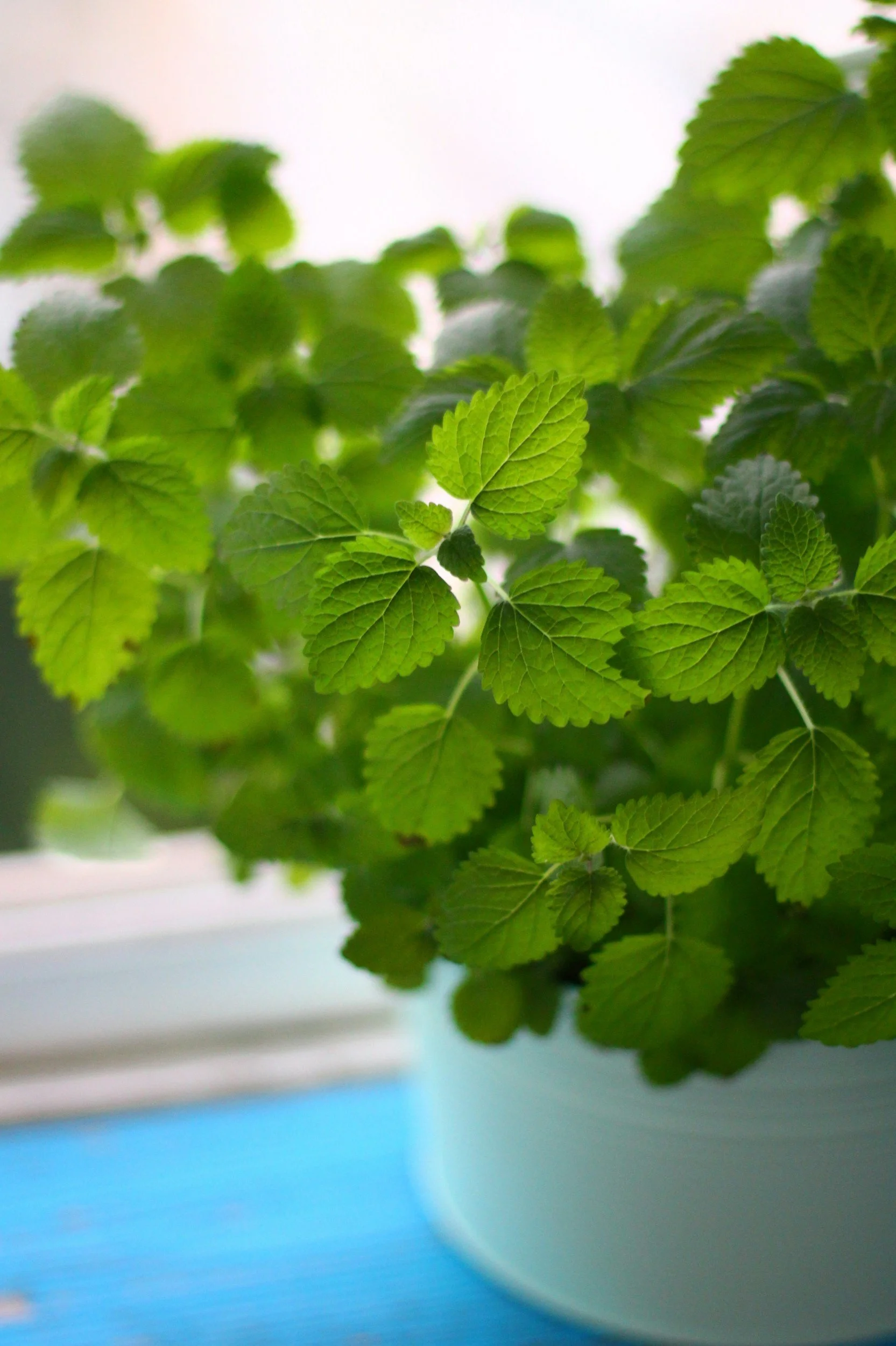
Lemon balm is a perennial herb from the mint family (Lamiaceae) super easy herb to grow for beginner gardeners I always have it growing in mine, but you know what a mint plant is like- don’t plant it directly into your garden bed unless you want the entire garden to be lemon balm! Lemon balm is characterised by soft, heart-shaped green leaves with a super yummy lemon scent when crushed. It typically grows 30–90 cm tall and produces small white or pale yellow flowers. Native to the Mediterranean and parts of Western Asia, it is now grown worldwide.
Lemon balm has been used for centuries in traditional herbal systems, including Greek, Roman, and medieval European medicine. Historically, it was prescribed for:
Nervousness and anxiety
Insomnia
Digestive discomfort
Menstrual irregularities
It was often referred to as a “heart tonic” and mood-lifting herb, used to “gladden the spirit.”
-
Nervous System Support
Lemon balm is best known for its calming and mildly sedative effects, helping to reduce stress and anxiety and promote relaxation.
May increase calming neurotransmitters like GABA
Supports sleep quality and relaxation
Traditionally used for nervous tension
Mood & Cognitive Function
Some clinical and preclinical research suggests lemon balm may:
Improve mood
Enhance cognitive performance
Support mental clarity under stress
Digestive Support
Lemon balm has gentle antispasmodic properties, making it useful for:
Bloating
Indigestion
Mild gastrointestinal discomfort
Antioxidant & Anti-inflammatory Effects
Lemon balm contains compounds such as rosmarinic acid and flavonoids, which contribute to:
Antioxidant activity
Anti-inflammatory effects
Potential antiviral properties
-
Leaves (fresh or dried) are the primary medicinal part
Used in teas, extracts, tinctures, oils, and topical preparations
-
Lemon balm may be used in several forms:
Herbal tea (infusion) – most traditional and gentle
Tinctures / liquid extracts – more concentrated
Capsules / tablets – standardised dosing
Topical creams – often used for cold sores
Essential oil (aromatherapy) – calming and uplifting
-
Typical herbal dosing ranges from 1.5–4.5 g of dried herb daily, depending on preparation.
-
Lemon balm is generally considered safe when used appropriately, but there are important considerations:
May cause drowsiness in some individuals
Limited long-term safety data beyond ~8 weeks
Not well studied in pregnancy or breastfeeding
Use caution in children
Always consult a qualified practitioner before use in these populations.
-
Lemon balm may interact with:
Sedatives or CNS depressants (may increase drowsiness)
Thyroid medications
Medications affecting serotonin
Barbiturates or calming medications
These interactions highlight the importance of practitioner guidance when combining herbs with pharmaceuticals.
-
From a naturopathic lens, lemon balm is considered a gentle nervous system tonic that supports:
Stress resilience
Digestive harmony
Emotional balance
It is particularly useful for individuals experiencing:
Stress-related digestive issues
Mild anxiety or overwhelm
Sleep disturbances linked to nervous tension
Lemon balm is a beautifully restorative and calming herb, that is super easy to grow and utilise. It has a long history of traditional wisdom with validating scientific support. While research continues to evolve, its long-standing use and gentle nature make it a valuable addition to a holistic wellness approach when used appropriately and under guidance.
I’ve used Lemon Balm in our Calm Wildflower Blend.
